Description
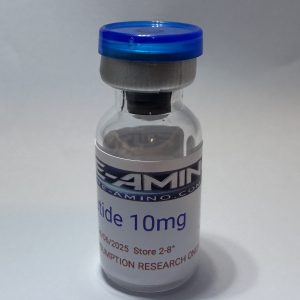
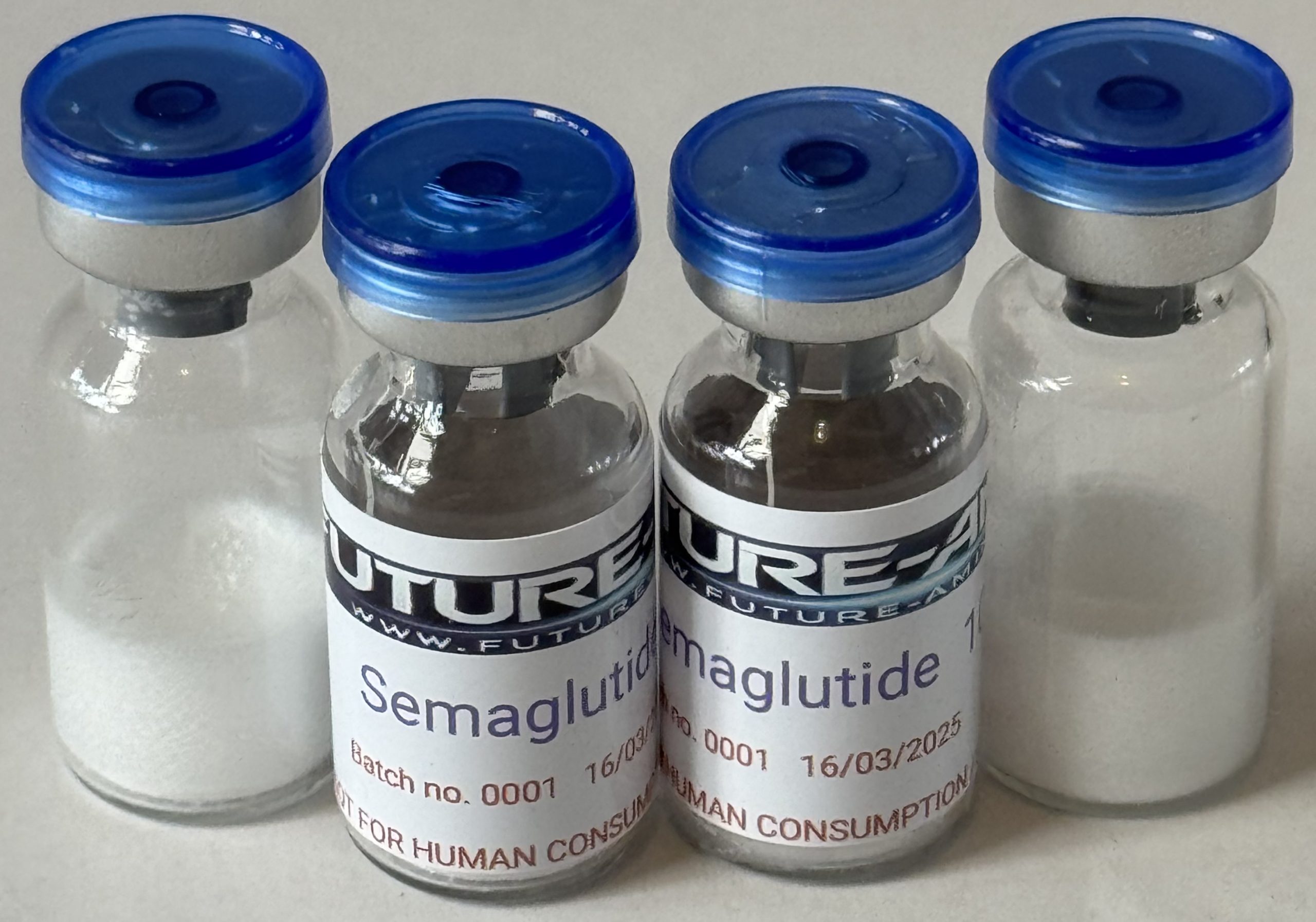
Buy Semaglutide uk online — fast delivery, lab-tested peptides, and no prescription needed. Semaglutide supports powerful fat loss, appetite reduction, and long-term metabolic control. Trusted source. Legit product. Get started today.
Semaglutide is a GLP-1 receptor agonist that has rapidly become one of the most sought-after compounds in the UK for its potential benefits in weight management, appetite control, and blood sugar regulation. Originally developed as a treatment for type 2 diabetes, Semaglutide has gained widespread recognition for its ability to support significant weight loss when combined with healthy lifestyle changes. By mimicking the action of the natural GLP-1 hormone, Semaglutide helps regulate appetite, slow gastric emptying, and improve insulin sensitivity.Many people in the UK search for Semaglutide as part of a structured weight management plan. In clinical trials, it has been shown to help users reduce food cravings, feel fuller for longer, and maintain a calorie deficit more easily. This makes it a popular choice for those seeking long-term, sustainable fat loss without extreme diets or excessive exercise routines.
While Semaglutide is a prescription-only medication in licensed medical settings, it is also discussed in research and peptide communities for its metabolic benefits and potential use beyond diabetes. Some individuals compare it to other GLP-1-based compounds such as Tirzepatide and Retatrutide, weighing differences in efficacy, dosing frequency, and side effect profiles.
For those sourcing Semaglutide in the UK, quality assurance is critical. Reputable suppliers should provide independent lab testing, accurate dosing guidelines, and proper handling to preserve potency. Common related topics include Semaglutide dosing schedules, weekly vs. daily injections, expected weight loss timelines, and managing side effects like nausea.
As part of the growing GLP-1 therapy category, Semaglutide continues to attract interest from clinicians, researchers, and informed consumers. Its proven track record and strong research base make it a leading option for individuals seeking targeted metabolic and appetite support in the UK.
Exploring the Role of Semaglutide in Modern Research
Among the many peptide-based compounds under investigation, semaglutide stands out as a central figure in ongoing scientific exploration. This compound has been studied for its unique interaction with metabolic pathways, particularly in relation to glucose regulation and energy balance. By reviewing the published literature, one can see how semaglutide has influenced both academic inquiry and practical applications, providing new perspectives for researchers across multiple fields.
Scientific Foundation
The foundation of semaglutide research lies in its ability to mimic and enhance natural hormonal processes. It interacts with specific receptors that play a role in appetite, digestion, and blood sugar regulation. This makes it an attractive subject for deeper investigation, as the compound bridges several biological systems simultaneously. For a detailed overview of related mechanisms, external resources such as NCBI provide valuable peer-reviewed material.
Pathways and Potential
Beyond its initial applications, semaglutide continues to attract attention because of its wider implications. Researchers are looking at how the compound influences not only weight-related markers but also cardiovascular health, liver function, and long-term metabolic resilience. By studying semaglutide across diverse domains, investigators can identify patterns that may lead to novel interventions. Additional background information can be found through WebMD, which summarizes current discussions.
Comparative Perspectives
When comparing peptide compounds, semaglutide is often evaluated alongside other GLP-1 analogues. Each compound has slightly different half-lives, absorption rates, and tolerability profiles. However, what distinguishes semaglutide is the consistency of outcomes reported in a wide range of studies. This consistency has encouraged researchers to investigate long-term trajectories and determine whether its benefits extend beyond initial endpoints. Linking internally, readers can find a detailed discussion on this site’s Semaglutide resource page.
Broader Scientific Landscape
The focus on semaglutide has also opened doors to new methodologies in clinical research. Larger trials, more diverse participant groups, and extended follow-ups have become common practice in this domain. By broadening study designs, scientists aim to ensure that findings remain valid across different populations. This emphasis on scale and inclusivity adds weight to the evidence being produced, helping confirm the reproducibility of results. It also ensures that semaglutide is evaluated from multiple perspectives.
Future Questions
Despite the progress made, many questions remain unanswered. Researchers continue to debate how semaglutide interacts with microbiota, whether it has an impact on neurological pathways, and how it can be optimized for long-term adherence. These open questions highlight that science is an evolving conversation rather than a final verdict. The compound has achieved much, but further exploration is necessary to complete the picture.
Global Relevance
In addition to Western laboratories, international institutions have also shown keen interest in semaglutide. Collaborative networks across Europe, Asia, and the Americas are pooling resources to validate findings and discover cultural or dietary factors that may alter outcomes. This global participation underscores the relevance of semaglutide as more than a regional solution—it is a universal subject of study.
Conclusion
Overall, semaglutide continues to serve as a reference point for modern peptide science. Its unique characteristics make it one of the most documented compounds in its class, with findings that stretch across health, nutrition, and pharmacology. By combining robust data with an awareness of long-term questions, researchers can ensure that semaglutide remains at the center of responsible innovation. As external resources, open databases, and internal research hubs expand, the study of semaglutide will only deepen, shaping how future peptides are evaluated and applied.
Semaglutide: What is it?
Semaglutide is a glucagon-like peptide-1 (GLP-1) receptor agonist designed to mimic the action of the natural incretin hormone GLP-1. By activating GLP-1 receptors, it helps regulate glucose levels, reduce appetite, and support body-weight reduction through effects on satiety and gastric emptying. In many regions, semaglutide is approved for the treatment of type 2 diabetes and, at certain doses and formulations, for chronic weight management in adults who meet specific criteria. As with any medicine, indication, dosing, and suitability depend on local labelling and clinical judgement. This content is general information only and is not medical advice.
How does semaglutide work?
Semaglutide enhances glucose-dependent insulin secretion from pancreatic beta cells and reduces inappropriate glucagon secretion from alpha cells. It slows gastric emptying, helping to blunt post-meal glucose spikes, and acts on appetite centres within the brain to reduce energy intake. Because its insulinotropic effect is glucose-dependent, it has a lower intrinsic risk of hypoglycaemia when used without agents that independently increase insulin. Nevertheless, individual responses vary and careful monitoring is advised, especially when used alongside other glucose-lowering therapies.
What are the main potential benefits?
Potential benefits include improved glycaemic control (e.g., reductions in HbA1c and fasting plasma glucose), clinically meaningful weight loss over time, and favourable shifts in cardiometabolic markers such as waist circumference and certain lipids. Many people also report decreased food cravings and improved portion control. Benefits unfold progressively across weeks to months when paired with nutrition quality, regular movement, adequate sleep, and stress management. As always, personalised medical guidance is essential.
Is semaglutide only for diabetes?
Not necessarily. Depending on the country, specific semaglutide products and doses may be authorised for chronic weight management in adults with obesity or overweight with at least one weight-related comorbidity. Labels and eligibility criteria differ by jurisdiction and can evolve over time. Off-label use, where permitted, is at a prescriber’s discretion and should be weighed against risks, benefits, and local regulations.
What side effects are common?
Gastrointestinal symptoms are the most frequently reported—nausea, vomiting, diarrhoea, constipation, abdominal discomfort, and early satiety—especially during dose escalation. Some individuals experience headache, fatigue, dizziness, dyspepsia, or injection-site reactions. These effects are often transient and may be mitigated with gradual titration, mindful eating pace, hydration, and attention to simple, minimally processed foods. Severe or persistent symptoms, including intense abdominal pain, warrant prompt medical evaluation.
How quickly do results appear?
Signals such as reduced appetite or fewer cravings can appear within days to weeks. Objective changes in body weight and glycaemic markers usually accumulate over weeks and months with consistent use. The trajectory is typically gradual rather than abrupt, and plateaus can occur. Sustainable progress is best supported by aligned lifestyle factors—especially protein intake, fibre, sleep quality, and regular physical activity.
How is semaglutide administered?
Semaglutide is commonly administered as a once-weekly subcutaneous injection using prefilled pens. In some regions, there are oral tablet formulations taken daily under specific administration instructions. Dose selection and escalation schedules are defined in local product information and tailored by clinicians to balance efficacy and tolerability. Patients should never adjust their dose without professional guidance.
What should I do if I miss a dose?
Missed-dose instructions are product-specific and may depend on how much time has passed since the scheduled dose. Many official leaflets provide a window in which a dose can be taken; outside that window, the recommendation may be to skip and resume the usual schedule. When in doubt, follow the official patient information for your region or contact your prescriber or pharmacist.
Can semaglutide cause hypoglycaemia?
When used alone, GLP-1 receptor agonists have a low intrinsic risk of hypoglycaemia due to their glucose-dependent mechanism. However, the risk can increase when combined with insulin or insulin secretagogues (e.g., sulfonylureas). In such cases, a clinician may adjust other medicines to reduce hypoglycaemia risk. Individuals should be familiar with symptoms of low blood sugar and have a plan for prompt management.
Who should be cautious or avoid semaglutide?
People with known hypersensitivity to the active substance or excipients should not use it. Caution is warranted in individuals with certain gastrointestinal disorders, a history of pancreatitis, significant dehydration risk, or other endocrine conditions. Suitability must be assessed by a clinician who can review a full medical history, current medicines, and risk profile. Pregnancy, planned pregnancy, and breastfeeding require dedicated medical discussion about risks and alternatives.
How does semaglutide compare with tirzepatide?
Semaglutide is a GLP-1 receptor agonist, while tirzepatide acts on both GIP and GLP-1 receptors. Both classes target hyperglycaemia and appetite regulation but through different receptor profiles. Head-to-head outcomes depend on formulation, dose, trial design, and patient characteristics. Choice is a clinical decision that considers goals (glycaemia vs. weight emphasis), tolerability, cost, access, and co-morbidities. Many patients respond well to either; some respond better to one than the other.
What lifestyle choices amplify results?
Prioritise protein at each meal, include fibrous vegetables and whole-food carbohydrates, and keep ultra-processed, hyper-palatable foods in check to avoid gastrointestinal discomfort and rebound hunger. Adequate hydration and slow, mindful eating can reduce nausea and help with satiety. Combine resistance training with aerobic activity to preserve lean mass while losing fat. Sleep and stress control matter: disrupted sleep and chronic stress undermine appetite regulation and glycaemic control.
Does semaglutide interact with other medicines?
Semaglutide can delay gastric emptying, which may affect absorption rates of some oral medicines, particularly those with a narrow therapeutic window. Co-administration with insulin or insulin secretagogues can increase hypoglycaemia risk, potentially requiring dose adjustments. Always provide your prescriber with a comprehensive list of prescription medicines, over-the-counter drugs, and supplements so that interactions can be assessed accurately.
What happens if I stop semaglutide?
Appetite suppression and improved satiety typically lessen after discontinuation. Without supportive habits in place, weight regain is possible over time. This is not unique to semaglutide; it reflects human physiology and the chronic nature of obesity. Individuals who build sustainable eating patterns, active routines, and sleep hygiene during therapy are better positioned to maintain results if therapy ends.
Is long-term use safe?
Long-term safety is informed by clinical trials and growing real-world data. Many individuals use GLP-1 receptor agonists for extended periods under medical supervision. Ongoing follow-up allows clinicians to monitor efficacy, tolerability, and any new or evolving symptoms. As evidence expands, labels and clinical guidance may be updated; staying in regular contact with a healthcare professional is prudent.
What if I experience significant nausea?
Nausea is common during dose escalation. Practical steps include slower titration under clinician direction, eating smaller meals, prioritising lean proteins and simple, non-greasy foods, sipping fluids between—not during—meals, and avoiding rapid overeating after periods of low appetite. If symptoms persist or become severe, contact your prescriber; adjustments may be necessary.
Does semaglutide replace diet and exercise?
No. Semaglutide is an adjunct that can help individuals implement and maintain effective habits. Medication can reduce hunger and improve metabolic parameters, making it easier to choose appropriate portions and food quality. However, durable results rely on consistent daily actions—sleep, nutrition, movement, and stress management—not medication alone.
Is there a difference between brands and formulations?
Brand names, delivery devices, and dosing strengths differ by region, and some products are authorised for diabetes while others are authorised for weight management. Pens and oral tablets have different instructions for use. Patients should follow the specific patient information for the product they have and seek pharmacist or clinician guidance for any uncertainties about administration.
What monitoring is recommended?
Monitoring plans are individualised. For those with type 2 diabetes, clinicians may track fasting glucose, HbA1c, and sometimes time-in-range metrics if using continuous glucose monitoring. For weight-management indications, weight, waist circumference, and dietary adherence may be reviewed. Across indications, clinicians may also assess renal function, hydration status, gastrointestinal tolerance, concomitant medicines, and overall cardiometabolic health.
Can semaglutide support cardiovascular risk reduction?
GLP-1 receptor agonists as a class have been studied for cardiovascular outcomes in people with type 2 diabetes at elevated risk. Specific product labels and evidence summaries differ by country and by product. A clinician can interpret the latest evidence and local guidance to determine whether semaglutide fits within a cardiovascular risk-reduction strategy for an individual patient.
How should nutrition be structured while on semaglutide?
A practical approach is to anchor meals with sufficient protein (e.g., lean meats, fish, eggs, dairy, legumes), layer in non-starchy vegetables for fibre and micronutrients, and include whole-food carbohydrates and healthy fats to tolerance. Because appetite may drop, ensure adequate protein to protect lean mass. Avoid drinking calories and ultra-processed snacks that bypass satiety signalling. Eating slowly and stopping at comfortable fullness can help prevent gastrointestinal discomfort.
What if I have a history of binge eating or disordered eating?
Individuals with active or prior disordered eating should seek specialised guidance before starting any weight-related therapy. Appetite-modifying medicines can intersect with eating behaviours in complex ways. A combined care plan involving a clinician and, where appropriate, a registered dietitian or mental-health professional is advisable to prioritise safety and long-term wellbeing.
Can semaglutide be used alongside exercise programs?
Yes, and doing so is strongly encouraged. Resistance training preserves or builds lean mass while energy intake falls; aerobic activity improves cardiorespiratory fitness and insulin sensitivity. Start at a manageable level and progress gradually. If dizziness, excessive fatigue, or other unusual symptoms appear, discuss them with a clinician to adjust training, nutrition, or medication timing appropriately.
What about alcohol consumption?
Alcohol can impact glycaemic control and appetite regulation. It also adds calories that provide little satiety. If consumed, moderation and mindful timing relative to meals are sensible. Individuals using other glucose-lowering therapies should be aware of hypoglycaemia risk, particularly with fasting or delayed meals. A clinician can advise based on the full medication regimen and health status.
Is there a risk of gallbladder issues?
Rapid weight loss from any cause can be associated with gallstone formation in susceptible individuals. Some GLP-1 receptor agonist users have reported gallbladder-related events. Awareness of symptoms—upper right abdominal pain, nausea, fever—allows for timely evaluation. Discuss personal risk factors with a clinician and avoid overly aggressive caloric restriction.
What if I plateau?
Plateaus are common as the body adapts to lower energy intake and body mass. Strategies include reassessing protein intake, tightening ultra-processed food exposure, ensuring resistance training is progressive, refining sleep routines, and verifying adherence to the dosing schedule. Sometimes the goal transitions from weight change to maintenance while continuing metabolic improvements—this is still success.
How do I talk to my clinician about semaglutide?
Bring a concise summary of your goals (glycaemic control, weight management, cardiometabolic risk), current medicines and supplements, relevant medical history, and lifestyle patterns (sleep, activity, diet). Ask about expected benefits, common side effects, monitoring frequency, and what to do if issues arise. Shared decision-making leads to better adherence and outcomes.
Important disclaimer
This content is educational and general in nature. It does not constitute medical advice, diagnosis, or treatment. Always consult a qualified healthcare professional who can assess your personal circumstances and local regulations, and follow the official product information for your region.