Description
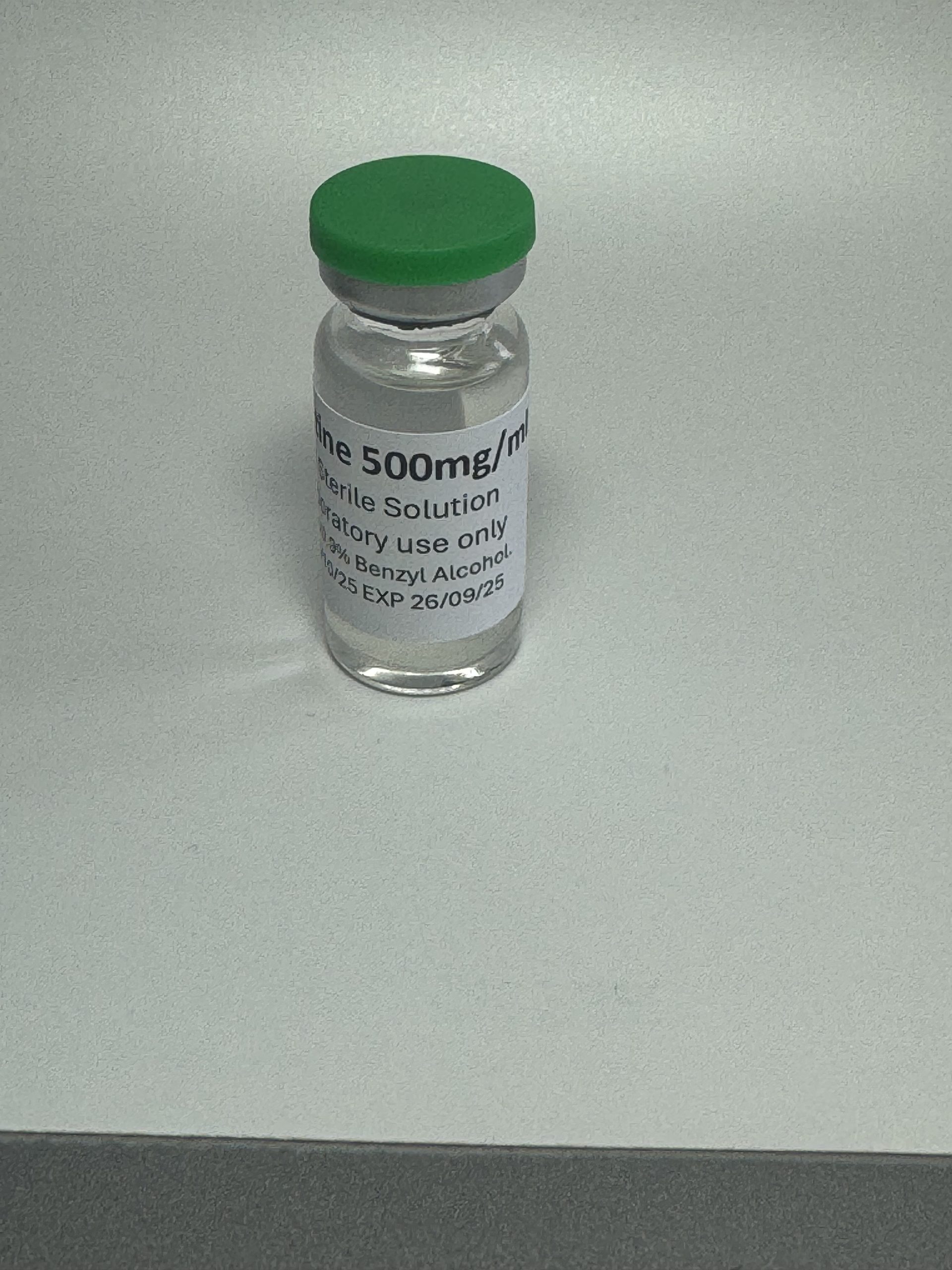
L Carnitine 500mg/ml
Injectable sub q or IM. No PIP. Strong!
L carnitine is a naturally occurring amino-acid-derived compound that plays a central role in human energy metabolism. It is found in high concentrations in muscle tissue, the heart, and the liver, where it is essential for converting fat into usable energy. The body produces L carnitine from the amino acids lysine and methionine, but it is also obtained from food sources such as red meat, dairy products, and fish. In situations of increased physical demand, aging, illness, or restricted diet, natural production may not be sufficient to maintain optimal levels.
The primary biological function of L carnitine is to transport long-chain fatty acids into the mitochondria. Mitochondria are the “power plants” of cells, responsible for generating energy in the form of ATP. Fatty acids cannot enter the mitochondria on their own, so L-carnitine acts as a shuttle system that moves them across the mitochondrial membrane. Once inside, fats are broken down and converted into energy. Without adequate L carnitine, fat remains stored rather than being burned efficiently.
This mechanism explains why L carnitine is closely linked to fat metabolism and body composition. By increasing the transport of fatty acids into mitochondria, L-carnitine helps the body use fat as fuel, particularly during exercise and periods of caloric restriction. Research has shown that adequate L carnitine levels can improve fat oxidation, reduce fat accumulation, and support lean body mass. This makes it valuable not only for weight management but also for preserving muscle while dieting or training.
L carnitine also supports physical performance and endurance. When muscles have better access to fat for fuel, they rely less on glycogen, which delays fatigue and improves stamina. Many studies show that L carnitine can reduce muscle soreness, improve recovery, and increase exercise capacity. These effects are especially noticeable in people who train regularly or those recovering from illness or injury, where energy production and tissue repair are critical.
Beyond fat loss and performance, L carnitine plays a significant role in general health. The heart is one of the most energy-demanding organs in the body and relies heavily on fatty acids for fuel. L carnitine helps maintain healthy cardiac energy metabolism, supporting normal heart function. It has also been studied for its role in circulation, blood lipid balance, and metabolic health.
In the brain and nervous system, L carnitine supports mitochondrial function and protects cells from oxidative stress. Some research suggests it may aid cognitive function, mood stability, and mental energy, particularly in aging populations. It also plays a role in insulin sensitivity, making it relevant for metabolic health and glucose regulation.
L carnitine is generally well tolerated when used appropriately and is considered one of the most studied and biologically essential metabolic compounds. Its unique ability to convert stored fat into usable energy places it at the center of both performance and longevity science.
In summary, L carnitine supports fat burning, energy production, muscle recovery, heart health, and metabolic balance. By improving mitochondrial function and fatty acid transport, it helps the body operate more efficiently at both cellular and whole-body levels, making it a powerful tool for overall health and body composition support.