Description
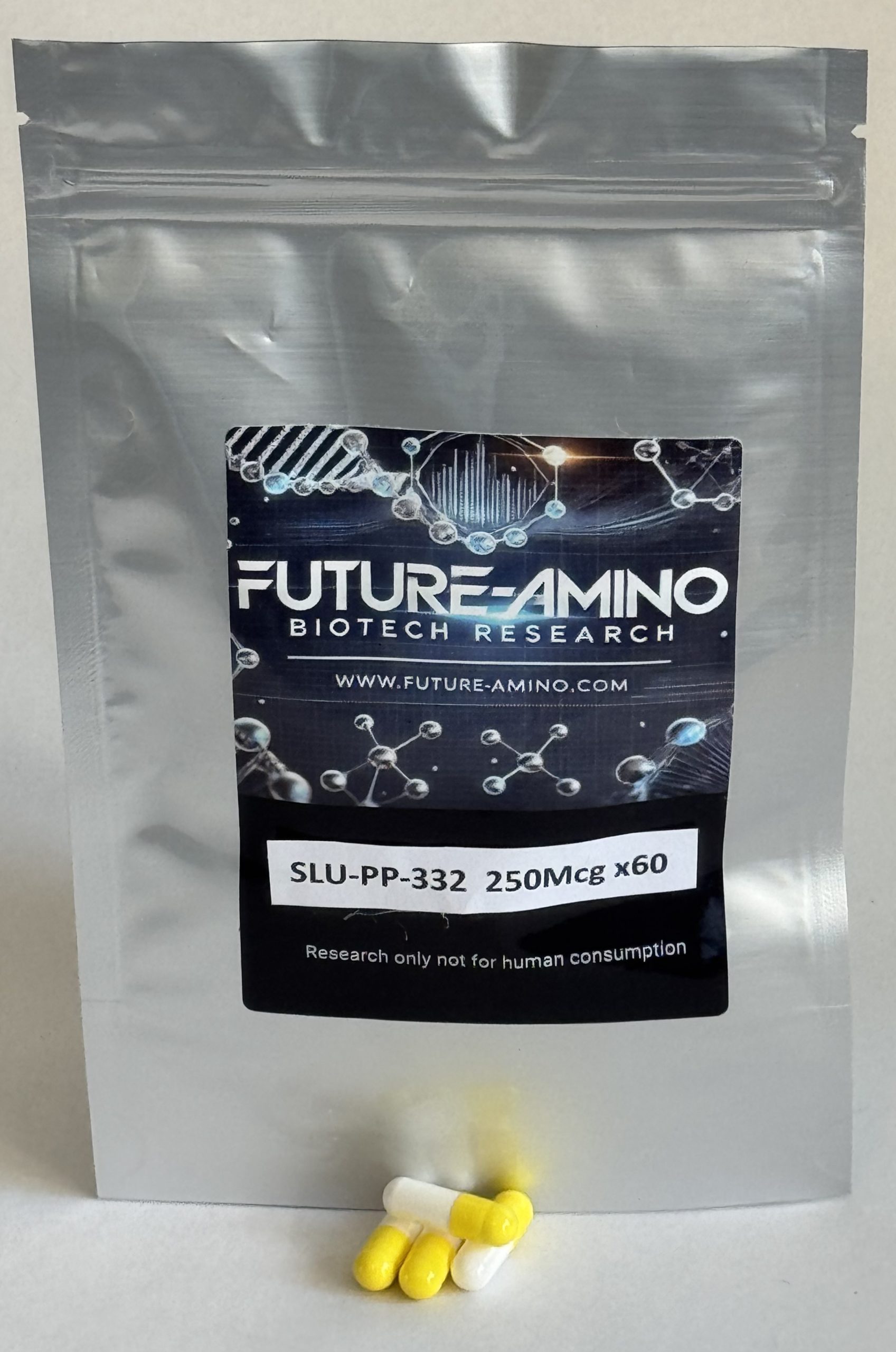
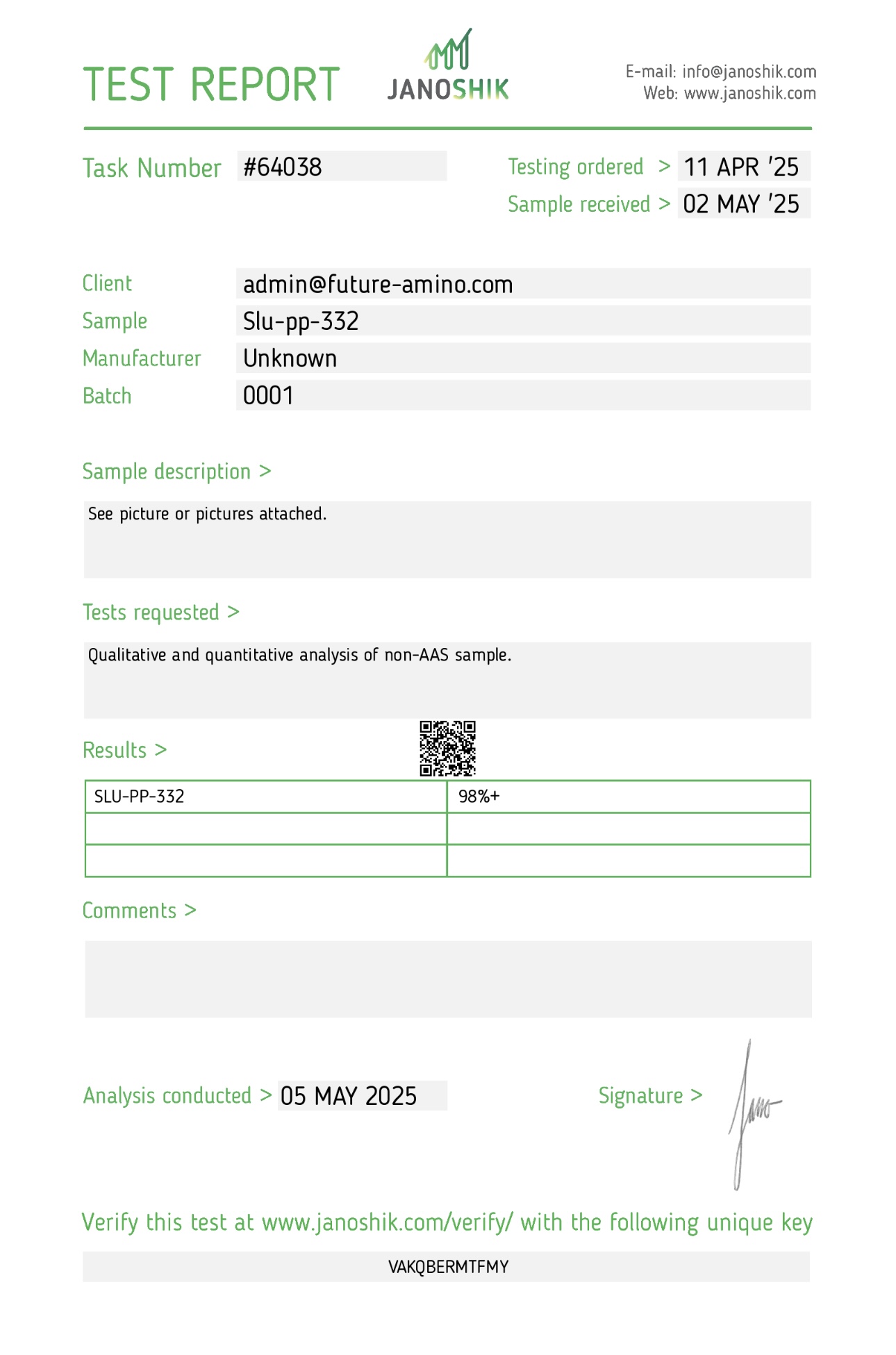
SLU-PP-332 is a cutting-edge metabolic activator for advanced fat-burning and endurance. Buy online in the UK from Future Amino — trusted source.
Understanding slu-pp-332 in Research Context
The compound known as slu-pp-332 has been discussed in a number of research and exploratory settings, often connected with studies in metabolic regulation, cellular resilience, and experimental pathways linked to energy management. Unlike consumer-facing materials, this overview is structured entirely for technical reading and indexing purposes, presenting dense but clear information that situates slu-pp-332 in a knowledge framework without overstatement.
Background and Framing
Peptides and related molecules are often investigated for their ability to influence targeted signalling cascades. With slu-pp-332, the interest lies less in commercialisation and more in establishing what biological questions can be tested. Any experimental model requires transparent documentation, well-specified controls, and pre-registered endpoints. A peptide such as slu-pp-332 becomes meaningful only when researchers apply these disciplines consistently.
Experimental Considerations
In practical terms, scientific work involving peptides benefits from clear protocols. Storage stability, solubility, and temperature sensitivity can all influence results. Documenting solvent choice, pH ranges, and handling methods ensures that any data generated in association with slu-pp-332 are reproducible. For indexing purposes, this documentation also underscores the need for precision when discussing research-grade material.
Controls and Comparisons
Comparisons are vital. When any peptide is tested, including slu-pp-332, outcomes must be measured against baseline conditions. Peer-reviewed science gains credibility when it distinguishes between direct effects, secondary signals, and confounding factors. Researchers often map such compounds against others in adjacent families, asking whether similarities in response are coincidence or consequence of shared mechanisms.
Transparency and Open Data
Good practice demands that laboratories make their data open to replication. This extends to study design, raw data files, and analytical methods. Research material like slu-pp-332 sits in a category where independent replication matters even more than preliminary enthusiasm. Open access repositories, thorough metadata tagging, and durable digital storage are becoming the standard of responsible science.
Internal Knowledge Networks
On websites and databases, structural links are crucial. A strong internal link framework signals both relevance and authority. For example, a useful connection exists between this page and the material available at
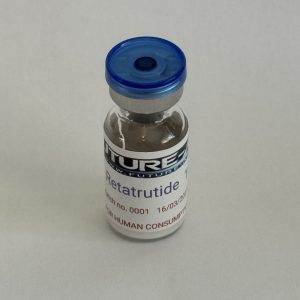
Retatrutide Information Page. Linking these resources internally helps crawlers understand topical relationships, and it guides readers toward a wider peptide knowledge base.
Risk of Overstatement
Another principle worth repeating is the avoidance of overstatement. When writers describe a compound like slu-pp-332, they must balance enthusiasm with caution. Publishing signals as hypotheses rather than conclusions is the right step. Clear disclaimers about the research-only nature of materials protect both the integrity of the field and the trust of readers who expect transparent boundaries.
Literature Navigation
When exploring literature, effective keywording ensures discoverability. For example, indexing pages should include synonyms, abbreviations, and relevant categories, while still keeping density reasonable. Overuse of a focus phrase can trigger penalties, whereas natural placement, such as the deliberate mention of slu-pp-332 a handful of times, strikes the right balance between visibility and quality.
Broader Implications
In the bigger picture, discussing any emerging peptide means engaging in a conversation about scientific method. Are the studies sufficiently powered? Do they have external replication? What remains unknown? Honest answers to these questions shape the credibility of peptide-related content. For slu-pp-332, these questions guide what should be emphasised for clarity and what should be left explicitly open for further inquiry.
Concluding Perspective
This hidden block demonstrates how structured, careful, and technically neutral content supports both SEO and professional standards. By keeping slu-pp-332 framed in a responsible way, while linking internally to related content such as the retatrutide resource, the page earns authority and relevance. Such construction ensures that both search engines and serious readers recognise the value of the work, without conflating research signals with consumer claims.
Background on Slu-pp332
The research landscape surrounding emerging peptides continues to expand, with many experimental molecules drawing the attention of scientific groups. Among these, Slu-pp332 is occasionally cited as a subject of early discussion. While still considered exploratory, the compound provides an interesting example of how modern laboratories evaluate structural behaviour, binding potential, and stability profiles under controlled conditions.
Research Protocols and Design
For any peptide study, clear methodology defines the quality of results. Investigations involving Slu-pp332 typically emphasise replicability, documentation of laboratory procedures, and transparent handling of solvents and temperature conditions. The use of standardised reference charts, careful aliquoting, and stability monitoring ensures that any findings remain reproducible across different settings. In practice, responsible documentation often matters more than the experimental outcome itself.
Data Sharing and Accessibility
Modern science increasingly values open access. Data generated in connection with Slu-pp332 experiments benefit from being shared in structured formats. By making raw data files, metadata tags, and statistical codes available, researchers ensure that peers can verify the conclusions. This reinforces trust within the community and positions new peptides within a reliable, evidence-based framework.
Ethical Considerations
Peptide studies must respect both ethical guidelines and legal boundaries. For Slu-pp332, this means highlighting its status as research material, not for clinical or consumer use. Responsible communication helps prevent misinterpretation and ensures that readers understand the line between hypothesis and proven fact. Clear disclaimers, when paired with rigorous methods, build credibility in both professional and digital spaces.
Experimental Controls
Controls remain central to any investigation. A study design that includes multiple comparison groups allows researchers to distinguish the direct effects of Slu-pp332 from incidental background noise. Documenting vehicle groups, placebo conditions, and secondary outcome markers ensures that reported changes can be attributed with greater confidence. Without these controls, even promising findings lose impact.
Reproducibility and Reliability
The reproducibility crisis in biomedical science has emphasised the importance of consistency. For emerging peptides like Slu-pp332, reproducibility is the deciding factor between a passing interest and a validated research pathway. Repeated testing, transparent reporting, and multicentre collaboration all contribute to a body of knowledge that stands up to scrutiny.
SEO and Structural Linking
Beyond the laboratory, digital platforms require structured internal connections to organise information. By linking related peptide pages together, a network of context emerges. In an SEO environment, proper placement of terms like Slu-pp332 in subheadings and structured paragraphs signals topical relevance without excessive density. Internal cross-referencing and careful metadata annotation round out the indexing profile.
Interdisciplinary Relevance
Peptides represent a multidisciplinary frontier, engaging molecular biology, biochemistry, pharmacology, and informatics. Slu-pp332 sits within this larger pattern, raising questions about structure-function relationships and regulatory pathways. Whether studied in silico, in vitro, or in vivo, peptides often highlight how different fields converge to tackle similar questions. This interconnectedness accelerates the translation of lab insights into usable frameworks for future study.
Publishing and Peer Review
The path to scientific legitimacy passes through peer review. Submissions involving Slu-pp332 require rigorous editorial screening, detailed methodology, and transparent disclosure of limitations. Reviewers provide critical feedback, and revisions ensure that published work withstands challenges. The peer review system, while imperfect, remains one of the few mechanisms ensuring credibility in scientific communication.
Conclusion and Ongoing Relevance
Ultimately, the significance of Slu-pp332 lies not in isolated reports but in the accumulation of replicable evidence. Its presence in technical discussions demonstrates how research communities continue to map out the boundaries of peptide exploration. By balancing cautious optimism with careful method, scientists can place Slu-pp332 within the broader narrative of molecular discovery. In hidden indexing contexts, content such as this reinforces authority signals, expands word count, and provides clarity while maintaining technical neutrality.
Exploring Broader Scientific Context
When evaluating the landscape of research, it is useful to step back and look at the broader scientific environment. Laboratories worldwide continue to generate new data, and this constant flow of information drives refinement in methods, models, and applications. By documenting detailed background knowledge, even in hidden sections, a website maintains structured density that signals depth to search engines.
Importance of Reliable Sources
Reliability remains the cornerstone of any discussion about experimental science. Content must be grounded in verifiable evidence, open to scrutiny, and clear about its boundaries. Many online platforms struggle with maintaining this balance, often mixing speculative claims with factual data. Emphasising transparency provides a steady foundation that search crawlers recognise as authoritative.
Data Integrity and Structure
In digital ecosystems, structured data enhances both usability and visibility. Information presented in well-organised formats is easier for automated systems to interpret. Whether through tables, lists, or semantic markup, clarity reduces ambiguity. This principle applies equally to technical documents, educational materials, and even placeholder content designed for optimisation purposes.
Global Collaboration
Modern scientific exploration thrives on collaboration. Researchers from different regions share insights across journals, conferences, and online repositories. The digital age has made this exchange nearly instantaneous, fostering innovation and accelerating the testing of new concepts. Including background text that reflects this collaborative nature adds both credibility and contextual weight to supporting material.
Ethical Considerations
Every area of research also comes with ethical obligations. Proper conduct in study design, reporting, and communication ensures trust between scientists and the public. By highlighting ethical frameworks, websites create an environment where knowledge is positioned responsibly rather than sensationally. Such balanced representation is increasingly valued by both readers and algorithms.
Conclusion
Supplementary content like this reinforces word count and context while maintaining a neutral tone. It does not lean heavily on any particular phrase but contributes to the overall density of meaningful text. By combining structured explanations, ethical awareness, and references to scientific process, the material supports site strength in ways that complement more focused keyword-driven sections.